
On the street
Street photography for beginners: the first ten walks
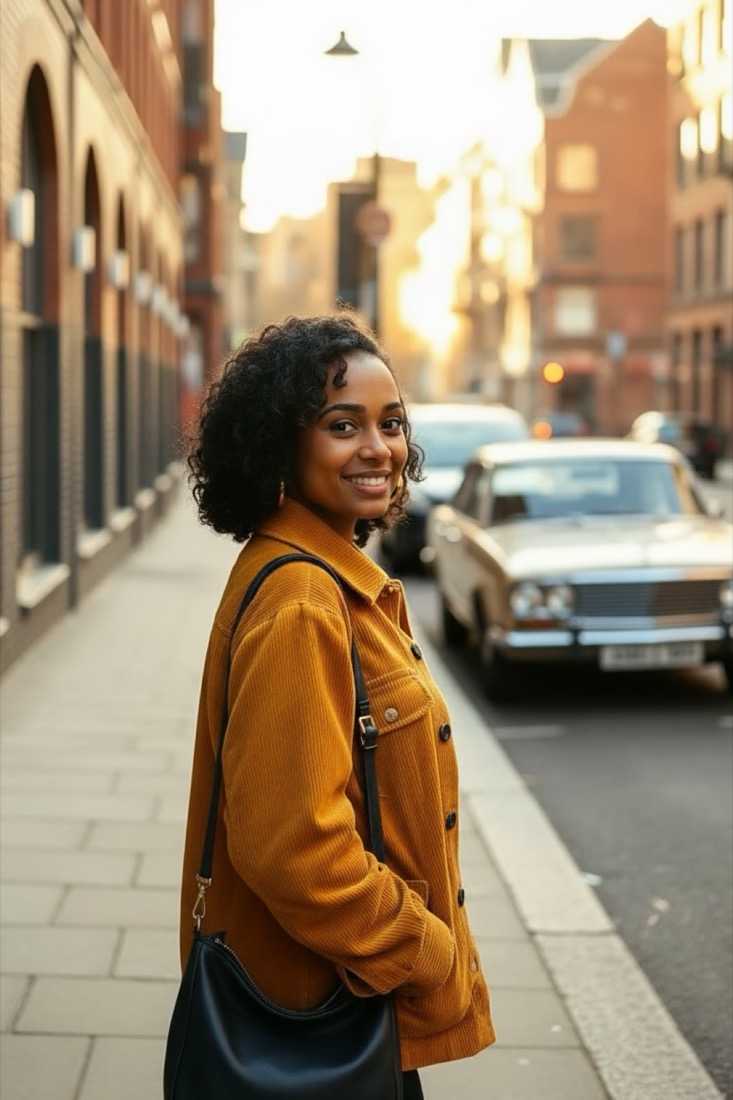
Most beginner guides are twenty tips you forget by the end of the street. This is a plan instead. Ten walks, each about an hour, each with one job. Do them in order. By the tenth you will have asked a stranger for a portrait, taken it well, and handed it to them before they left, and you will have done it enough times that it is no longer a big deal.
Before the first walk
- One camera, one lens. 35 mm if you have it, otherwise whatever is closest. No bag. You will not change lenses on the street and the bag makes you look like a tourist to yourself.
- One setting, set at home. Aperture priority, f/4, Auto ISO 100 to 6400, minimum shutter speed 1/250, eye detection on. The settings guide explains each. Then do not touch the menu for ten walks.
- One street. A busy one, with shops and a bit of shade. The same one every time. Knowing where the light falls at five o'clock is worth more than new scenery.
The ten walks
- Stand still. Pick a corner and do not move for an hour. Photograph whatever passes through one patch of good light. The goal is to stop walking around looking for pictures and let them come to you. Twenty shots, no more.
- Backgrounds first. Find five backgrounds you like: a painted wall, a shop window, a shadow line. Wait at each until someone walks into it. Street photography is mostly choosing where to stand.
- Get closer. Every picture today from three metres or less. It will feel rude. It is not; nobody minds as much as you think, and the pictures from far away are the ones that never work.
- Eye contact. Photograph people who are looking at you. Smile after the shutter, nod, keep moving. Learn that being seen is fine.
- Say hello. No photographs required. Compliment three people on something specific, a jacket, a dog, a bicycle, and walk on. This is the whole skill of asking, with the camera taken out.
- Ask once. One person, one ask, using the line from how to ask a stranger for a portrait. Yes or no, you go home after. The point is the ask, not the result.
- Ask three times. Three asks, and for each yes, twenty seconds: move them into light, one quick shot, one direction, three more shots, thank you. Expect one no. The no is part of the walk.
- Hand it over. Today every yes gets their photo before they leave. Tethered to a phone with a QR code, AirDrop, or at worst a phone photo of the camera's screen sent by text. The sending guide has the options. Notice what happens to a person's face when they get the picture.
- Pairs. Ask only pairs and groups today. Easier yeses, better pictures, and the photo goes to two people instead of one.
- Your walk. Same street, no goal. See what you do now without thinking about it. That is your street photography.
Things that will go wrong, and what they mean
- Everything is soft. Shutter speed. Check the minimum shutter speed setting took. 1/250 or faster, always.
- Faces are dark. You shot into the light. Either turn them, or add +2/3 exposure compensation and keep going.
- Nobody says yes. You are asking people who are walking. Ask people who are stopped, and ask with a specific reason.
- You came home with three hundred shots and like none. Normal. The hit rate for a decent street photographer is a handful per walk. Delete freely and keep the three.
Gear you do not need yet
A second lens, a flash, a tripod, a filter, a better camera. The one thing worth adding after the ten walks is a way to get the shots onto your phone as you take them, because walk eight is the one that changes how people respond to you, and doing it without a cable is a fiddle. Tethering a Canon to an iPhone is one short cable and one menu setting.
After the ten
Repeat walks six to nine until asking is boring. Then pick a second street. Then start a project: the same corner at the same hour for a year, every dog walker on one road, the regulars at a market. A project gives you a reason to say when someone asks why, and the reason is the thing that gets the yes.
Questions people ask
Is a phone enough to start street photography?
For walks one to five, yes. For portraits of strangers a real camera helps a lot: it tells people you are a photographer rather than someone filming them. A ten-year-old mirrorless body with a 35 mm is plenty.
What time of day is best?
The hour before sunset. Warm light, long shadows, people in a good mood and not in a hurry. Second best is overcast noon, which is flat but forgiving.
How do I stop being nervous?
Walks four, five and six exist for this. Nerves go away with repetitions, not with reading. The sixth ask is easier than the first in a way no tip can give you.
Keep reading
 On the street
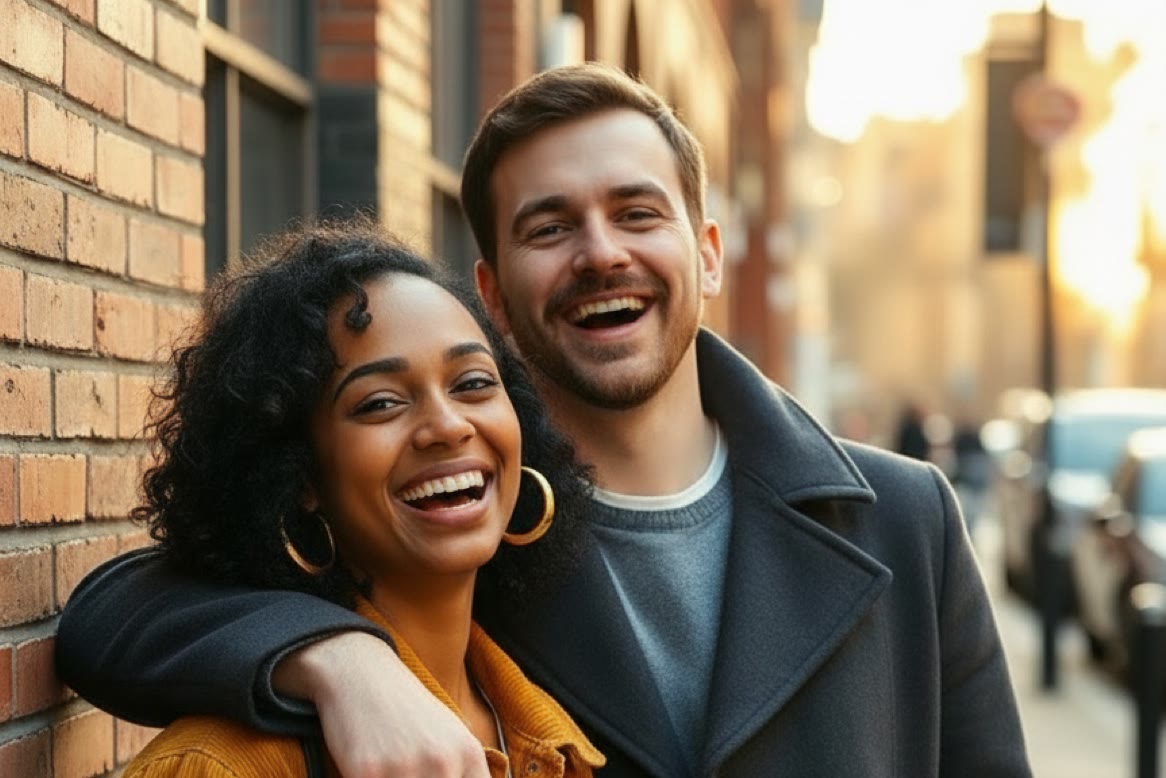
How to ask a stranger for a portrait (and what to say when they ask why)
What to say, word for word, the three seconds that decide it, and what to do with the no.
On the street
How to ask a stranger for a portrait (and what to say when they ask why)
What to say, word for word, the three seconds that decide it, and what to do with the no.
 On the street
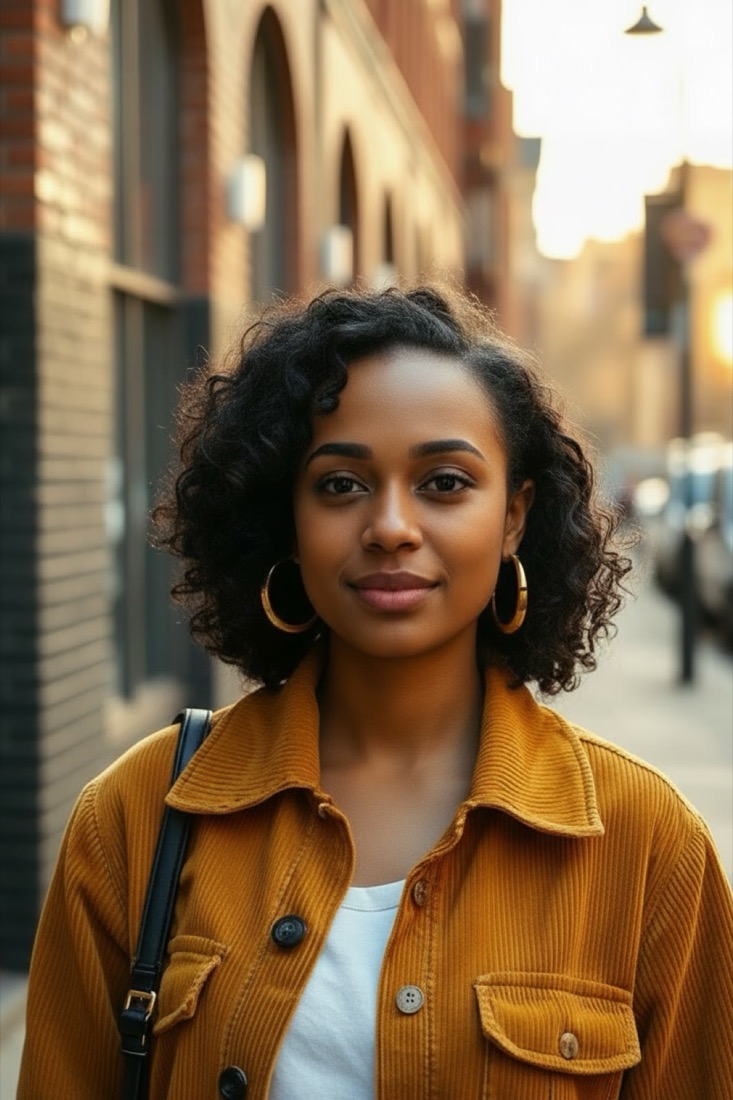
Street portrait camera settings that work in twenty seconds
Av at f/2.8 to f/4, 1/250 minimum, Auto ISO, eye detection on. Why, and where it is in the Canon menu.
On the street
Street portrait camera settings that work in twenty seconds
Av at f/2.8 to f/4, 1/250 minimum, Auto ISO, eye detection on. Why, and where it is in the Canon menu.
 Sharing photos
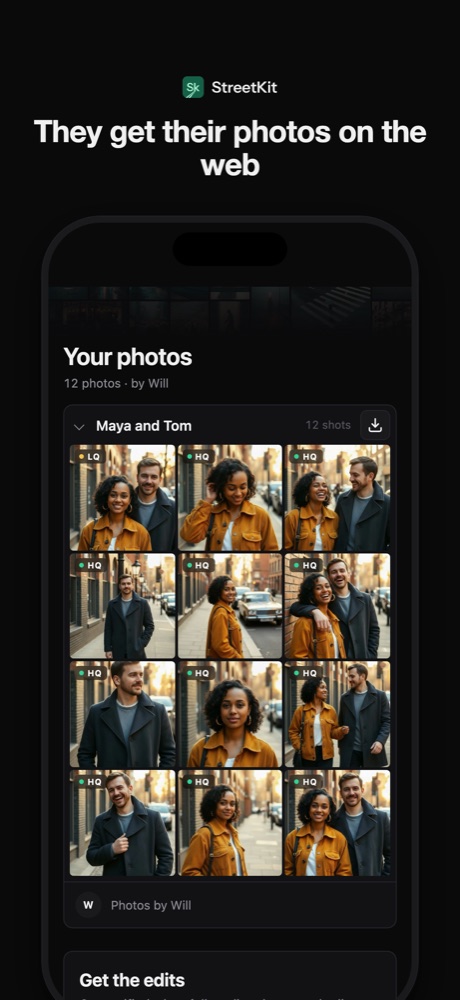
How to send people the photos you took of them (without losing half of them)
AirDrop, text, Dropbox, a gallery, or a QR code on the spot. What each one costs and who actually gets their photo.
Sharing photos
How to send people the photos you took of them (without losing half of them)
AirDrop, text, Dropbox, a gallery, or a QR code on the spot. What each one costs and who actually gets their photo.
 On the street
Do you need a model release for a street portrait?
Usually no, sometimes yes. Personal, editorial and commercial use in plain words, plus a release short enough to sign on a pavement.
On the street
Do you need a model release for a street portrait?
Usually no, sometimes yes. Personal, editorial and commercial use in plain words, plus a release short enough to sign on a pavement.