
On the street
Street portrait camera settings that work in twenty seconds
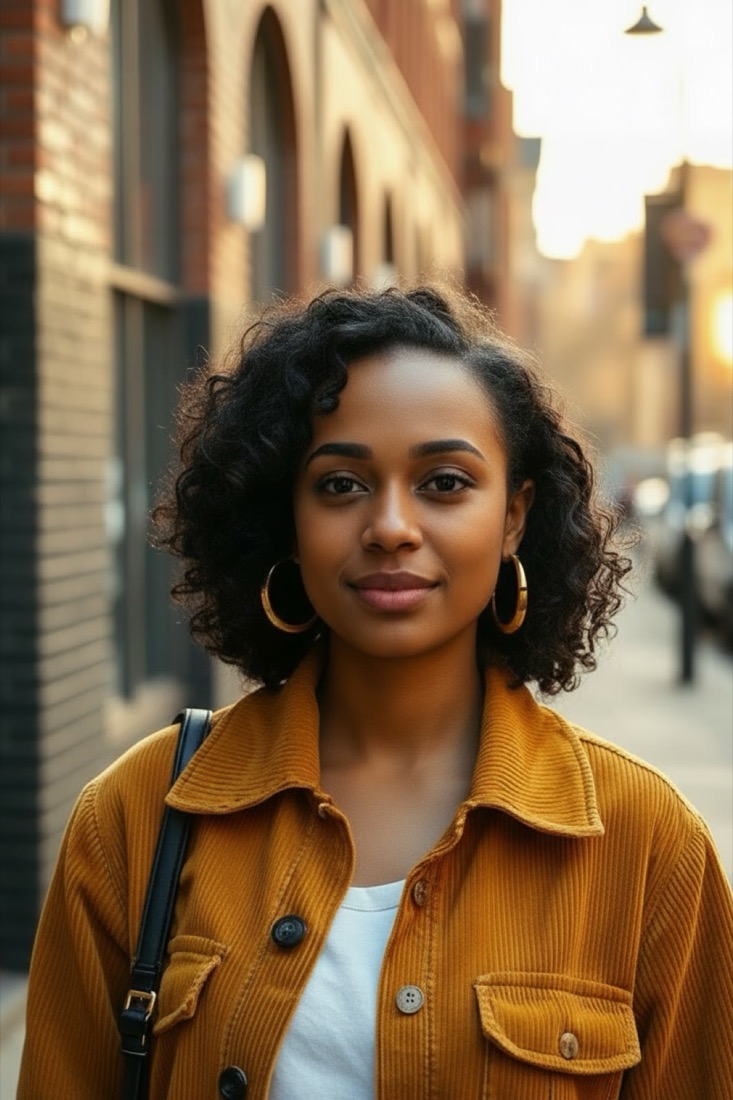
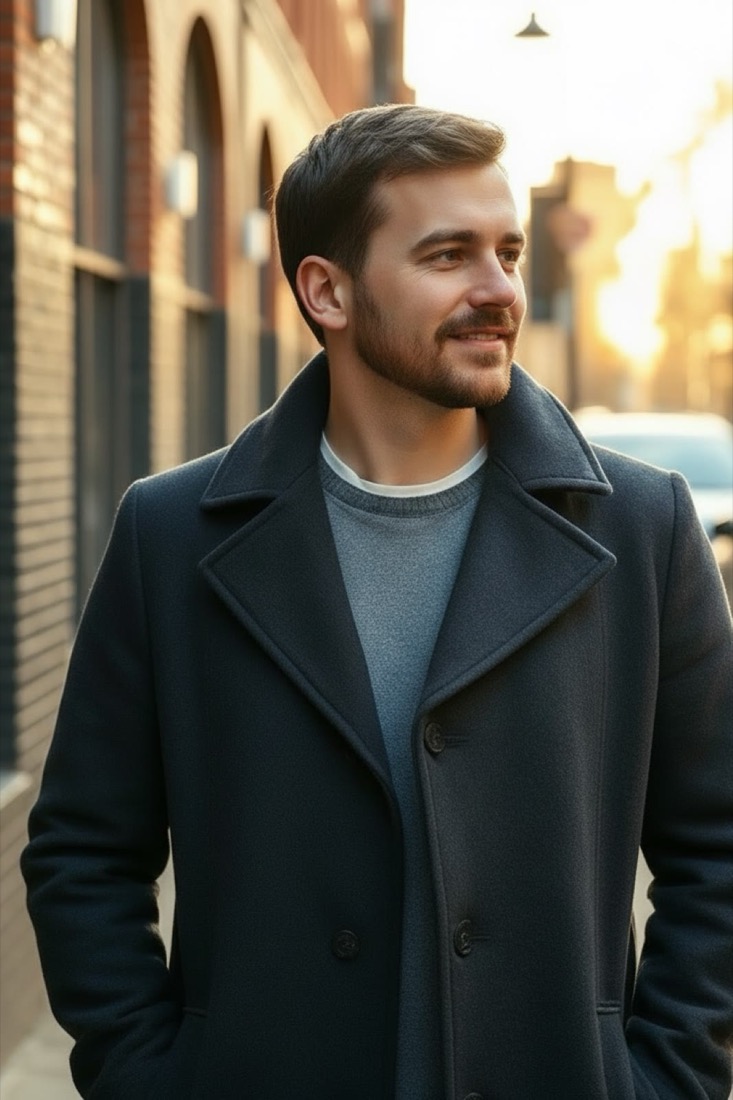
A street portrait is a person you met forty seconds ago, standing in light you did not choose, who will leave in twenty seconds. The settings have to be decided before you ask, because there is no time afterwards. Here is a set that works, and the reason behind each number so you can change it on purpose.
The set
| Setting | Value | Why |
|---|---|---|
| Mode | Av (aperture priority) | You choose the one thing that matters for a portrait, the camera does the rest. |
| Aperture | f/2.8 to f/4 for one person, f/4 to f/5.6 for two | Enough blur to separate them from the street, enough depth that both eyes are sharp when they lean. |
| Minimum shutter speed | 1/250 | People move while they talk. Hands, hair, a step. 1/250 freezes it at 35 to 85 mm. |
| ISO | Auto, 100 to 6400 | Lets the camera keep the shutter up as the light drops. Modern sensors are clean at 3200. |
| Focus | Servo AF, eye detection on, one zone | The camera finds the eye and holds it while they shift. You keep the composition. |
| Drive | Low-speed continuous | Two or three per press. The first is often the real expression; the third is the posed one. |
| Exposure compensation | +1/3 to +2/3 in backlight | Faces against a bright street go dark otherwise. |
| White balance | Auto, or Daylight at golden hour | Auto neutralises the warm light you walked out for. Daylight keeps it. |
| File | RAW + JPEG (or HEIF) | RAW for the edit, JPEG so the phone has something to show and send right now. |
Where it is on a Canon
- Minimum shutter speed: red menu, ISO speed settings, Min. shutter spd. Set it to 1/250 and leave it. This is the setting most people do not know exists and it is the one that fixes soft street portraits.
- Eye detection: AF menu, Subject to detect: People; Eye detection: Enable. Pair it with Servo AF so it keeps tracking.
- Auto ISO range: same ISO page, Auto range, 100 to 6400. On an R3 or R5, 12800 is fine.
- Back-button focus is a preference, not a rule. For portraits of strangers, shutter-button focus with eye detection is one less thing.
Lens
35 mm is the street portrait lens: close enough to talk, wide enough to keep the street in. 50 mm flatters faces more and needs a step back. 85 mm is lovely and puts you four metres away, which makes conversation harder and the ask stranger. Pick one and leave the bag at home; changing lenses in front of someone eats the twenty seconds.
Light, in order of preference
- Open shade on a sunny day: under an awning, the shaded side of the street. Soft, even, no squinting.
- Backlit at golden hour: sun behind them, +2/3 compensation, hair lit up. The one people put on the wall.
- Overcast: a giant softbox. Flat but forgiving. Raise contrast later.
- Direct midday sun: the hard one. Turn them so the sun hits the side of the face, or find shade. Do not try to fix it with settings.
Move them, not the dial. Two steps into shade does more than any setting. "Just here, the light's nicer" is the most useful sentence in street portraiture.
Why JPEG next to RAW matters more than it used to
If the camera is tethered to a phone, the JPEG is what travels. A RAW-only card gives the phone a file it cannot open; a JPEG lands in seconds and is good enough to hand over on the spot. Shoot both: the RAW waits for the edit, the JPEG goes to the person in front of you before they walk off. RAW, JPEG or HEIF for tethering has the details, including the HEIF option.
The settings you can ignore
Picture style, dynamic range optimiser, noise reduction, lens corrections. They affect the JPEG a little and the RAW not at all. Set Picture style to Standard or Neutral and never look at it again. The portrait is the person and the light; the menu is there so you can stop thinking about it.
Questions people ask
Why not manual mode?
Because the light changes every thirty metres on a street and you have twenty seconds per person. Av with Auto ISO and a minimum shutter speed gives you the one creative choice (depth) and takes the rest. Manual is fine in one spot with one light; a walk is not that.
Is f/1.4 better for portraits?
Only when the subject stands still and you have time to nail the eye. On the street, f/1.4 at 50 mm gives you about two centimetres of sharp focus; one breath and the eye is soft. f/2.8 looks nearly as creamy and forgives the lean.
What about flash?
A small on-camera flash at -1 stop in daylight is a style (think Bruce Gilden, think fashion week pavements), not a default. Try it after the plain version works.
Keep reading
 On the street
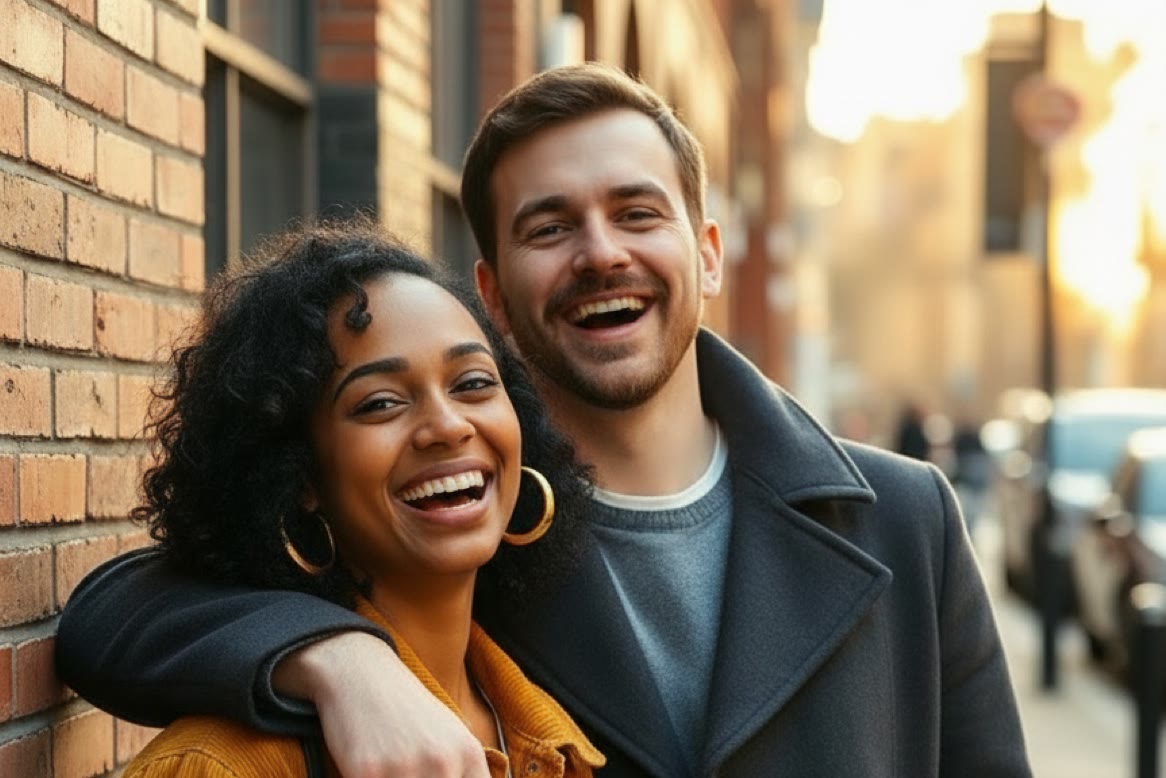
How to ask a stranger for a portrait (and what to say when they ask why)
What to say, word for word, the three seconds that decide it, and what to do with the no.
On the street
How to ask a stranger for a portrait (and what to say when they ask why)
What to say, word for word, the three seconds that decide it, and what to do with the no.
 Canon and iPhone
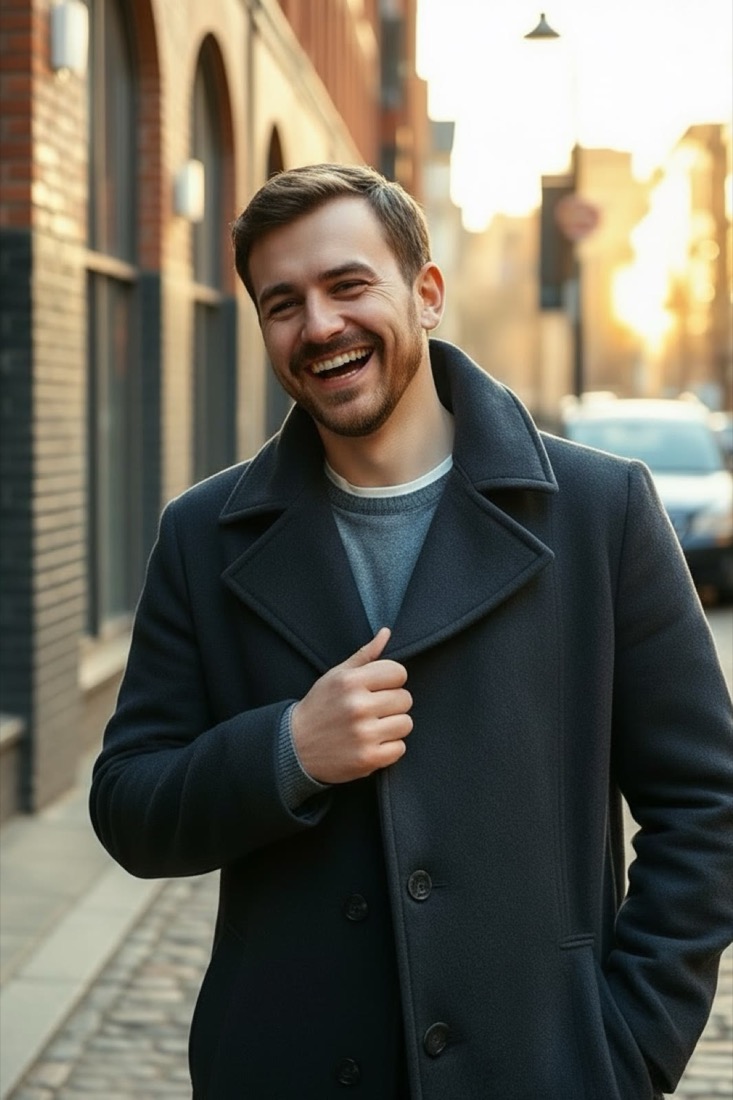
RAW, JPEG or HEIF when the camera is tethered to a phone
An iPhone cannot show a CR3. What to set so the phone gets something, the HEIF option, and keeping RAW for the edit.
Canon and iPhone
RAW, JPEG or HEIF when the camera is tethered to a phone
An iPhone cannot show a CR3. What to set so the phone gets something, the HEIF option, and keeping RAW for the edit.
 On the street
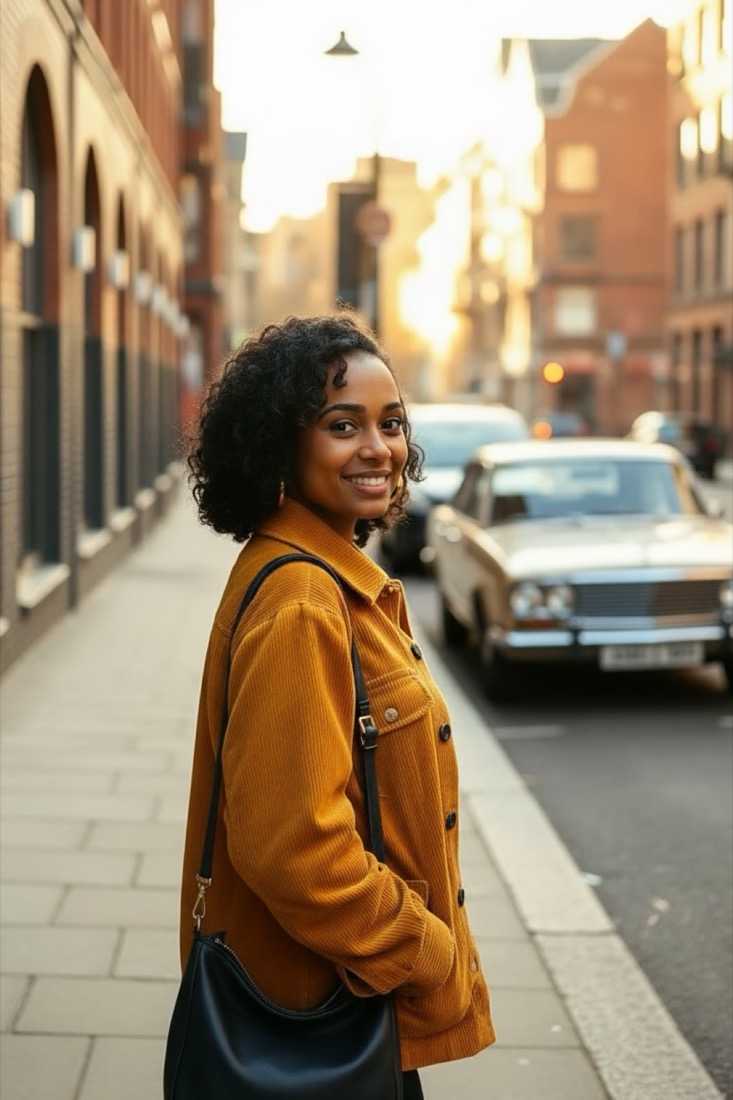
Street photography for beginners: the first ten walks
Not a list of tips. One lens, one setting, one street, and a small goal for each of the first ten walks.
On the street
Street photography for beginners: the first ten walks
Not a list of tips. One lens, one setting, one street, and a small goal for each of the first ten walks.
 Canon and iPhone
Canon EOS R3 to iPhone over USB-C: the settings that work on the street
The exact menu settings on the R3, from a camera that has been walked around with a phone on it.
Canon and iPhone
Canon EOS R3 to iPhone over USB-C: the settings that work on the street
The exact menu settings on the R3, from a camera that has been walked around with a phone on it.