
On the street
Do you need a model release for a street portrait?
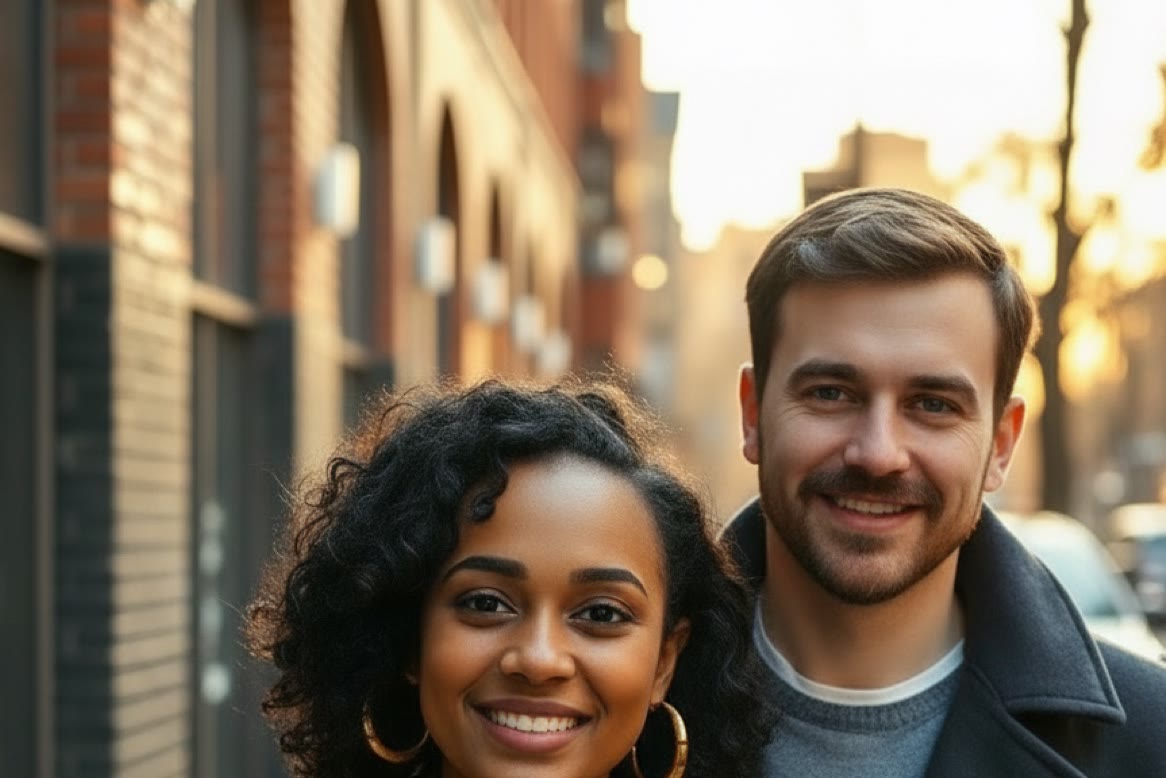
Photographers worry about this more than the law does. Taking a picture of someone in public is legal almost everywhere a street photographer is likely to stand. What you do with the picture afterwards is where a release starts to matter, and even then only for one kind of use. This is a plain explanation, not legal advice; if money or a lawyer is involved, ask the lawyer.
Three kinds of use
| Use | Examples | Release? |
|---|---|---|
| Personal | Your hard drive, a print on your wall, showing friends | No |
| Editorial and artistic | Your portfolio site, a gallery show, a photo book, a news story, most of Instagram | Generally no in the US and UK. Some European countries are stricter about recognisable faces. |
| Commercial | An advert, a product page, stock licensing, anything that sells something or implies the person endorses it | Yes |
The line that confuses people is between editorial and commercial. A street portrait on your own portfolio is you showing your work, which is editorial. The same portrait on a coffee brand's billboard is the person selling coffee, which is commercial. A photo book you sell copies of is still editorial; the person is the subject of the work, not the spokesperson for it.
Where it is different
- United States: photographing in public is protected. Publishing for editorial or art is fine. Commercial use needs a release in most states.
- United Kingdom: broadly the same. No general right to your own image; harassment and data law apply to behaviour, not the photograph.
- France, Germany, Spain, Italy and much of the EU: a recognisable person generally has a say in publication of their image, even non-commercially. Asking first, which you are doing anyway, is what makes most of this fine. Keep the record of the yes.
- Private property open to the public (malls, stations, some plazas): the owner can set rules about photography. Being asked to stop is not a legal claim on the photos already taken, but it is a reason to leave politely.
Laws change and this page is written by photographers, not solicitors. For anything commercial, get the release and the advice.
What to say when you ask
You are already asking permission to take the portrait (how to do that). Add one sentence that covers the use:
"I'll send you the photo right now. I might put it on my Instagram or my website. Is that all right?"
That is a verbal consent to editorial use, and for most street work it is all you will ever need. If they say "the photo yes, Instagram no", that is the deal, and the photo stays private. If you later want to license the picture commercially, you go back and ask properly, with paper.
Keeping the yes
A verbal yes evaporates. Three cheap ways to keep it:
- A note in the file's caption field, with the date and what they agreed to.
- A voice memo of the ask, made with their knowledge. Odd in the moment, solid later.
- Their email, given by them. If the person took their photos through a link and left an email to get the edits, you have a dated record of a person who wanted the pictures. That is not a release, but it is the opposite of a complaint.
A release you can get signed on a pavement
Long releases do not get signed by strangers. This one fits on a phone screen. It is a starting point, not a legal instrument tuned to your country; have someone check it before you rely on it for paid work.
I agree that [photographer name] may use the photographs taken of me on [date] in [city] for any purpose, including publication, exhibition and commercial use, without further payment. I confirm I am over 18. Name, email, signature.
For a minor, a parent or guardian signs. For anything you plan to sell to a brand, the brand will have its own release and will insist on it, so do not spend long on yours.
When someone wants it taken down
Take it down. Whatever the law says, a street portrait is a gift the person gave you, and a gift can be asked back. Remove it from wherever you posted it, delete the shared link, and say sorry it was a bother. The number of times this happens to a photographer who asks first is close to zero.
Questions people ask
Can I post a street portrait on Instagram without a release?
In the US and UK, yes, as editorial or artistic use, if you have not sold it to advertise something. In much of Europe the person's consent matters more; since you asked them, keep a note of the yes. Not legal advice.
Does giving them the photo count as consent?
Not formally. It is strong evidence that they knew about the photograph and were happy with it, and it keeps the relationship such that nobody wants to complain. A release is still a separate piece of paper.
What about photographing children on the street?
Legal in public in most places, but ask the parent, every time, and accept a no without discussion. For publication of any kind, a parent's written consent is the sensible floor.
Keep reading
 On the street
How to ask a stranger for a portrait (and what to say when they ask why)
What to say, word for word, the three seconds that decide it, and what to do with the no.
On the street
How to ask a stranger for a portrait (and what to say when they ask why)
What to say, word for word, the three seconds that decide it, and what to do with the no.
 On the street
Street photography for beginners: the first ten walks
Not a list of tips. One lens, one setting, one street, and a small goal for each of the first ten walks.
On the street
Street photography for beginners: the first ten walks
Not a list of tips. One lens, one setting, one street, and a small goal for each of the first ten walks.
 Sharing photos
Share photos with a QR code: what the other person sees, and what you keep
What the code contains, what opens on their phone, and who can see what.
Sharing photos
Share photos with a QR code: what the other person sees, and what you keep
What the code contains, what opens on their phone, and who can see what.